What is LIHEAP? Help with heating and cooling bills
LIHEAP is a federal program, run by states, that helps lower-income households pay heating and cooling bills. Here's who qualifies, what it covers and how to apply.
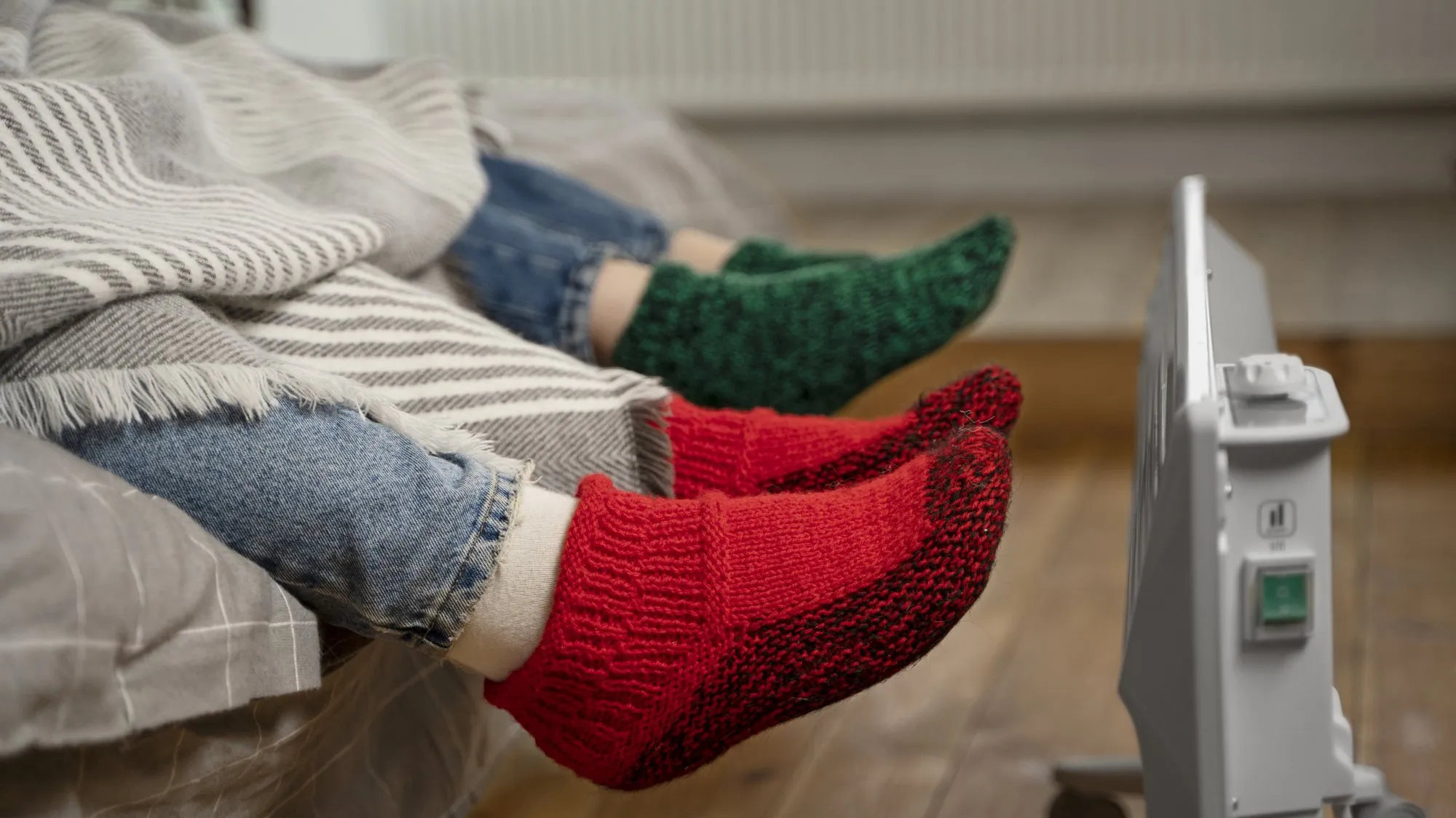
LIHEAP, the Low Income Home Energy Assistance Program, is a federal program that helps lower-income households pay for heating and cooling their homes. The U.S. Department of Health and Human Services (HHS) funds it, but states, tribes and territories run it, so each one sets its own income limits, benefit amounts and application dates. LIHEAP can also help in an energy emergency, such as a shutoff notice, and in many places it pays for repairs that make a home more energy efficient.
This guide explains what LIHEAP covers, who qualifies, how to apply and what to know about funding this winter.
Key takeaways
- LIHEAP helps pay home heating and cooling costs, plus energy crises, weatherization and minor energy-related repairs. It generally doesn’t pay water or sewer bills.
- You apply through your state or local LIHEAP office, not the federal government. The National Energy Assistance Referral (NEAR) hotline at 1-866-674-6327 can point you to the right office.
- Federal law caps income eligibility at the greater of 150% of the federal poverty guidelines or 60% of your state’s median income. Many states set lower limits.
- Getting SNAP, TANF, SSI or certain veterans’ benefits may qualify you automatically, if your state uses that option.
- Funding is limited. Qualifying doesn’t guarantee help, and offices can run out of money before winter ends, so apply as early as your state allows.
- LIHEAP never charges a fee. Anyone asking for one to get you a “LIHEAP grant” is running a scam.
What LIHEAP pays for
HHS describes LIHEAP as federally funded help with home energy bills, energy crises, weatherization and minor energy-related home repairs. Because every state designs its own program, your local office may offer some or all of these:
- Bill assistance. A payment toward your heating or cooling costs. In most places it’s sent straight to your utility or fuel supplier and credited to your account.
- Crisis assistance. Help when you have a shutoff notice, your service has been cut off, or you’re about to run out of heating fuel.
- Weatherization. Low-cost improvements, such as fixing leaky doors or windows or adding insulation, so your home uses less energy.
- Equipment repair. Some states use LIHEAP to fix or replace a broken or inefficient furnace or air conditioner. Not every state offers this.
What it usually doesn’t cover
HHS says LIHEAP generally can’t be used for water and sewer bills. The exception is water used for cooling, such as for an evaporative cooler.
LIHEAP also isn’t meant to pay your whole bill. HHS says it’s unlikely you’ll get enough to cover your entire heating or cooling bill for the year. In many places you can get help only with your main heating source. For example, if you heat with gas, you might get help with your gas bill but not your electric bill.
How much you could get
There’s no single national amount. HHS says the highest benefits go to households with the highest energy costs or needs, taking income and family size into account. Your benefit depends on where you live, your income, your energy costs, your household size and possibly other factors. Some states receive more LIHEAP money than others and can pay more. Funding and benefit amounts also change from year to year, so check with your state agency for current figures.
Who qualifies
Income limits
Federal law sets the ceiling. A state can make households eligible based on income alone if their income doesn’t exceed the greater of:
- 150% of the federal poverty guidelines, or
- 60% of the state median income.
States can set lower limits, but they can’t turn a household away based on income alone if its income is below 110% of the poverty guidelines.
Under the poverty guidelines HHS published in January 2026, which states must use for their fiscal year 2027 programs starting October 1, 2026, 150% of the poverty guidelines in the 48 contiguous states and D.C. works out to:
| Household size | 150% of poverty guidelines (yearly) |
|---|---|
| 1 | $23,940 |
| 2 | $32,460 |
| 3 | $40,980 |
| 4 | $49,500 |
In states that use 60% of state median income, the limit can be considerably higher. Alaska and Hawaii use different poverty guidelines. HHS says each state, tribe and territory sets its own limits, and some add other requirements, so your local office is the only place to confirm whether you qualify.
Automatic eligibility through other benefits
HHS says LIHEAP offices have the option to automatically qualify households that receive Temporary Assistance for Needy Families (TANF), the Supplemental Nutrition Assistance Program (SNAP), Supplemental Security Income (SSI) or certain veterans’ benefits. Not every state does this, and those that do may still ask you to fill out an application.
Renters
Renters can get LIHEAP, whether they pay for energy directly or through their rent. If you live in subsidized or public housing, you may not be eligible, depending on where you live and how you pay for utilities. Ask your local office.
Who gets priority
Federal guidance says LIHEAP benefits target lower-income households with a high energy burden, meaning a large share of income going to heating and cooling, and those with members who are older, have a disability or are young children. States can give priority to households with the highest energy costs or needs compared with their income.
How to apply
- Find your local office. Call the NEAR hotline at 1-866-674-6327 (weekdays, 9 a.m. to 7 p.m. Eastern), or use the LIHEAP Clearinghouse search tool at energyhelp.us. HHS also lists state contacts on its website. The federal government doesn’t accept applications itself.
- Check when your state is taking applications. Each state sets its own dates and rules for applying, and crisis help may have a separate process.
- Gather your documents. Requirements vary, but offices commonly ask for ID for household members, proof of income for everyone in the home, a recent utility or fuel bill, and any shutoff or past-due notice.
- Submit the application. HHS says many states post their applications online, but not all accept them online. Others take applications by mail or in person.
- Watch for a decision. If you’re approved, the payment usually goes to your utility or fuel supplier. Check your bill to confirm the credit. If you’re denied, the notice should explain how to appeal, and you have the right to do so.
If you have a shutoff notice
Contact your LIHEAP office and your utility right away. Ask the office about crisis assistance, and ask the utility about payment arrangements while your application is reviewed. Applying for LIHEAP doesn’t automatically stop a disconnection.
Funding for the 2026-27 winter
Congress funds LIHEAP each year, and when the money runs out, states can’t give out more until Congress provides it. HHS’s consumer FAQ says that on average about 20% of households that qualify receive benefits, and that offices often run out of money before serving everyone who’s eligible.
For fiscal year 2027, which began October 1, 2026, LIHEAP is operating under a continuing resolution, the Continuing Appropriations and Extensions Act, 2027 (Public Law 119-103). On October 9, 2026, HHS released about $3.6 billion to LIHEAP grant recipients, which is 90% of the funding available under that law. When states open their programs and how much they can pay still varies, so check with your state agency for current dates and amounts.
If your state’s money has run out, HHS suggests asking your local LIHEAP office whether help may become available later, such as a crisis program that opens after regular heating assistance closes. You can also ask your community action agency or your utility about other help, such as state programs or private fuel funds.
LIHEAP, SNAP and weatherization
SNAP. A LIHEAP payment can affect how your SNAP benefit is calculated. Under a 2025 federal law, a LIHEAP payment of more than $20 automatically qualifies a SNAP household for the higher heating and cooling utility allowance only if the household has a member who is 60 or older or has a disability. Other households need to have heating or cooling costs to get it. If you’re applying for both, see our guide on how to apply for food stamps.
Weatherization. The Department of Energy runs a separate Weatherization Assistance Program for lower-income households. Under DOE guidelines, households at or below 200% of the poverty guidelines or receiving SSI are eligible, and some states use LIHEAP’s 60% of state median income limit instead. Homeowners and renters can apply, though renters need their landlord’s permission and there’s often a waitlist.
To cut your bills further, our guide to lowering your electric bill covers low-cost changes, such as thermostat setbacks and sealing drafts, that add up over a winter.
Avoid LIHEAP scams
HHS warns that LIHEAP doesn’t give grants directly to individuals and never charges a fee for a benefit. If you get a call, text or message offering a LIHEAP grant or asking for a fee, don’t pay. Report it to the HHS fraud hotline at 1-800-447-8477.
Frequently asked questions
What does LIHEAP stand for?
LIHEAP stands for Low Income Home Energy Assistance Program. It’s a federal program funded by HHS and run by states, tribes and territories.
What is the income limit for LIHEAP?
Each state sets its own limit, but federal law caps it at the greater of 150% of the federal poverty guidelines or 60% of state median income. For fiscal year 2027, 150% of the poverty guidelines is $23,940 a year for one person and $49,500 for a family of four in the 48 contiguous states and D.C.
Does LIHEAP pay the whole bill?
Usually not. HHS says LIHEAP isn’t designed to pay for all of your energy costs for the year, the season or even the month. It’s meant to reduce what you owe.
Can I get LIHEAP if I rent?
Yes, renters are eligible whether they pay for energy directly or through their rent. People in subsidized or public housing may not be, depending on the state and how utilities are paid.
How do I find my local LIHEAP office?
Call the National Energy Assistance Referral hotline at 1-866-674-6327 on weekdays from 9 a.m. to 7 p.m. Eastern, or use the LIHEAP Clearinghouse search tool at energyhelp.us.
Can I apply for LIHEAP online?
It depends on your state. Many states post their applications online, but not all accept online submissions. Your local office can tell you how to apply.