How to save money on groceries: habits that cut the weekly shop
Plan meals, shop from a list, compare unit prices and waste less. Here are the habits that cut a grocery bill, with USDA budget benchmarks to measure against.
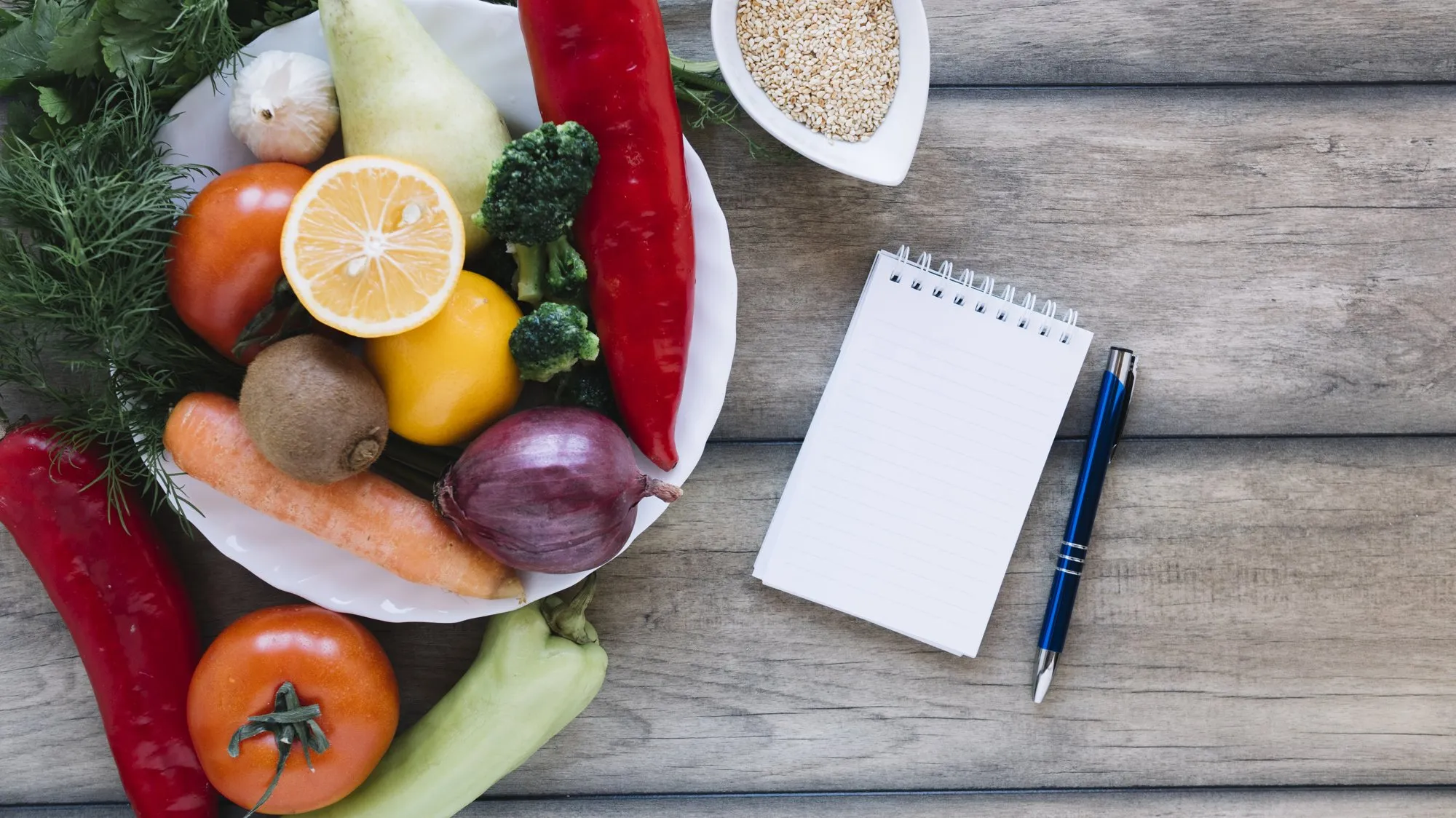
Groceries are one of the few big household costs you can change from week to week. You can’t haggle with a landlord every Friday, but you can change what goes into the cart. Most of the savings come from a few repeatable habits: deciding what you’ll cook before you shop, buying only what you’ll use, and not throwing food away.
This guide covers those habits, what the USDA’s budget benchmarks say a month of groceries costs, and where to look for help if your food budget is stretched.
Key takeaways
- Plan before you shop. Look in your fridge, freezer and pantry first, then write a list built around the meals you’ll actually make. The EPA says this saves money and time.
- Compare unit prices, not package prices. The cheaper-per-ounce option only saves money if you use all of it.
- Wasted food is wasted money. The USDA estimates that 30 to 40 percent of the U.S. food supply is wasted, and the EPA says the average family of four spends almost $3,000 a year on food that doesn’t get eaten.
- Restaurant prices are rising faster than grocery prices. In the 12 months to September 2026, the Bureau of Labor Statistics (BLS) says grocery prices rose 1.8 percent and restaurant prices rose 3.5 percent.
- Help exists. SNAP and WIC are USDA programs that help eligible households buy food.
What groceries cost right now
Food prices change month to month, and they differ by region and by store. Two official numbers give you a sense of the trend and a benchmark to compare against.
The trend. According to the BLS Consumer Price Index release for September 2026, published October 14, 2026, the food-at-home index (supermarket and grocery purchases) rose 1.8 percent over the 12 months ending in September. The food-away-from-home index (restaurants and other meals out) rose 3.5 percent. Restaurant prices rose faster than grocery prices over that period, which is worth keeping in mind when you weigh eating out against cooking at home.
The benchmark. The USDA publishes food plans that show what a nutritious diet costs when every meal and snack is made at home. The lowest-cost one is the Thrifty Food Plan. For August 2026, the USDA’s figures for a reference family of four (two adults aged 20 to 50 and two children aged 6 to 8 and 9 to 11) came to about $1,024 a month, or roughly $236 a week.
For a single adult, the USDA’s own household-size guidance is to add 20 percent to the individual cost. Using the USDA’s August 2026 Thrifty Food Plan costs, that works out to about $304 a month for a woman aged 20 to 50 and about $383 for a man aged 20 to 50. Those two figures are our calculation from the USDA’s published numbers.
Treat these as yardsticks, not targets. They assume you cook everything at home, they’re national averages for the contiguous U.S. (Alaska and Hawaii have separate figures), and they aren’t what most households actually spend. Your own receipts for a few weeks tell you more about where your money goes.
Habits that cut the grocery bill
Plan meals around what you already have
The EPA’s advice is to look in your refrigerator, freezer and pantry first, make a list of what needs to be used up, and plan the week’s meals around it. Then buy only the things needed for those meals.
Keep a running list of meals your household already likes. That makes it easier to choose, shop for and cook meals that actually get eaten.
Shop from a list, with quantities
The EPA suggests making your list based on how many meals you’ll eat at home that week. Think about how often you’ll eat out, whether you’ll eat frozen meals, and whether leftovers will cover any lunches. It also recommends writing quantities on the list. For example: “salad greens, enough for two lunches.” That keeps you from buying a bigger bag than the plan needs.
Compare unit prices
Shelf labels usually show a unit price, such as cost per ounce, pound or count. It lets you compare different sizes and brands fairly.
Here’s how it works. A 32-ounce package at $4.48 costs $0.14 an ounce. A 48-ounce package of the same food at $6.00 costs $0.125 an ounce, so the larger one is cheaper per ounce. But it only saves money if you finish it. If you’d throw out a third of it, the smaller package is the better buy.
The EPA makes the same point about big-quantity deals, including buy-one-get-one offers: they only save money if you use all the food before it spoils. Buying from bulk bins can help, because you can take just the amount you need. Store food from bulk bins in airtight, labeled containers.
Try store brands and compare labels
Many stores sell their own brand of staples such as oats, canned vegetables, rice and frozen fruit, often at a lower price than the national brands. Compare the ingredient list and the unit price, and switch the items where you can’t taste or see a difference.
Use frozen and canned produce, and buy in season
Fresh isn’t always cheapest. Frozen and canned fruit and vegetables keep for a long time and can be used a little at a time, which cuts waste. Fresh produce in season is often a better price than out of season, so compare unit prices.
The EPA also points out that “imperfect” produce, which has blemishes but is just as safe and nutritious, can sometimes be found at a discount.
Use coupons and store discounts only for foods you’d buy anyway
Digital coupons, store loyalty prices and weekly specials lower the price of an item. They don’t save money if they lead you to buy something you wouldn’t have bought. Check the size, the expiration date and the final price before you add it to your cart.
Cook at home more often
The BLS figures above show that meals out cost more and are rising faster. You don’t have to cook elaborate meals. Cooking a big batch of a simple dish and freezing portions can replace several rushed takeout orders.
Waste less of what you buy
The USDA says food waste is estimated at between 30 and 40 percent of the food supply. That figure covers the whole supply chain, and part of it happens in stores and restaurants. But the EPA says the average family of four spends almost $3,000 a year on food that doesn’t get eaten. Even throwing out $10 of food a week adds up to $520 a year.
These EPA storage and cooking tips make food last longer:
- Set your fridge to 40 °F or below. Keep meat, poultry and fish on the lower shelves, which are the coldest. The door is the warmest part.
- Store produce properly. Most vegetables, especially leafy greens, carrots and broccoli, go in the high-humidity drawer. Most fruit goes in the low-humidity drawer. Wait to wash berries until you’re ready to eat them.
- Use your freezer. Freeze bread, sliced fruit, meat or leftovers that you know won’t be eaten in time. Label them with the contents and the date.
- Don’t leave perishable food out for more than two hours.
- Learn what the date labels mean. The EPA points readers to USDA guidance on the difference between “sell-by,” “use-by,” “best-by” and expiration dates, so you don’t throw out food that is still fine.
- Cook with odds and ends. Produce that’s past its best, vegetable scraps and leftovers can go into soups, stir-fries, frittatas, casseroles or sauces. Stale bread can become French toast or croutons.
Programs that can help with food costs
If your budget is tight even after these changes, two USDA programs may help:
- SNAP (the Supplemental Nutrition Assistance Program) provides food benefits to low-income families to supplement their grocery budget. Applications go through your state or local agency. Read about it at the USDA’s SNAP page.
- WIC is available for women who are currently pregnant, recently pregnant or breastfeeding, and for babies and children under 5. Find out more on the USDA’s WIC page.
SNAP eligibility depends mainly on household size and income, and the details vary by state. WIC also requires that you fit one of its eligible groups, live in the state where you apply and have a nutrition risk assessed by a health professional, usually at the WIC clinic. A local food bank is another option if you need help right away.
Where the savings can go
Money you don’t spend on food can go toward your budget’s bigger pressure points. If rent takes a large share of your pay, our guide on how much rent you can afford walks through the math. And if you’re trying to build a cushion for surprise bills, a small emergency fund is a good place to put the difference.
Frequently asked questions
What is the biggest way to save money on groceries?
Wasting less food is likely the biggest. The USDA estimates that 30 to 40 percent of the U.S. food supply is wasted, and the EPA puts the cost to an average family of four at almost $3,000 a year. Planning meals, shopping from a list and using your freezer attack that waste directly.
How much should one person spend on groceries a month?
It depends on your age, your area and what you cook. As a benchmark, the USDA’s Thrifty Food Plan for August 2026 works out to about $304 a month for a woman aged 20 to 50 and about $383 for a man aged 20 to 50, after adding the 20 percent the USDA suggests for one-person households. Those figures assume you prepare all your meals at home.
Are store brands as good as national brands?
Store brands are often cheaper per ounce for staples like oats, canned vegetables and frozen fruit. Compare the ingredient list and the unit price, and decide item by item.
Is it cheaper to buy in bulk?
Sometimes. Bulk and multi-pack deals only save money if you use all the food before it spoils. Check the unit price and be honest about how much your household will really eat or can freeze.
Is frozen food cheaper than fresh?
Often it is, and it wastes less because you only use what you need. Compare unit prices, since fresh produce in season can be just as cheap.
Can I get help paying for food?
The USDA runs SNAP and WIC for eligible households. Contact your state or local agency to find out whether you qualify and how to apply.