Highest-paying trade jobs you can train for without a degree
Nine skilled trades ranked by median pay, from elevator installers at $109,910 to HVAC techs at $61,010, with how long each takes to learn and how to start.
You don’t need a four-year degree to earn a solid income in the skilled trades. Many trades pay well above the national median and train you on the job, often while you’re being paid. This guide ranks nine of them by median pay, using Bureau of Labor Statistics (BLS) data, and explains how long each takes to learn, what licenses are involved and where to find training.
Key takeaways
- The top-paying trade in this list, elevator and escalator installers and repairers, had a median wage of $109,910 in May 2025, according to the BLS. The median for all U.S. workers was $50,980.
- Most of these trades are learned through a paid apprenticeship that typically lasts 3 to 5 years. HVAC and wind turbine work usually start with a certificate or associate degree from a technical school or community college.
- Many states require a license for electricians, plumbers and elevator installers. Rules vary by state, so check with your state licensing board.
- Pay is a national median. Apprentices start lower and earn wage increases as they learn, so expect to earn less than these figures at first.
- Job growth differs a lot by trade, from a projected 30% for wind turbine technicians to a 2% decline for boilermakers (2025 to 2035).
The nine highest-paying trades without a degree
The table ranks nine trades that the BLS says typically don’t require a bachelor’s degree. Pay is the median annual wage for May 2025, the most recent BLS data. Half of workers in each trade earn more and half earn less.
| Trade | Median pay (May 2025) | Typical entry path | Typical training | Projected job growth, 2025 to 2035 |
|---|---|---|---|---|
| Elevator and escalator installers and repairers | $109,910 | High school diploma, then apprenticeship | 4-year apprenticeship | 6% |
| Electrical power-line installers and repairers | $95,320 | High school diploma, then apprenticeship or employer training | Apprenticeships may last up to 3 years | 10% |
| Boilermakers | $76,410 | High school diploma, then apprenticeship | Apprenticeships typically last 4 years | -2% |
| Wind turbine technicians | $64,120 | Postsecondary certificate or associate degree | Technical school or community college, then employer training | 30% |
| Plumbers, pipefitters and steamfitters | $63,800 | High school diploma, then apprenticeship | 4- or 5-year apprenticeship | 7% |
| Electricians | $63,190 | High school diploma, then apprenticeship | 4- or 5-year apprenticeship | 9% |
| Ironworkers | $61,910 | High school diploma, then apprenticeship | 3- or 4-year apprenticeship | 1% |
| Sheet metal workers | $61,800 | High school diploma, then apprenticeship | 4- or 5-year apprenticeship for most construction workers | 3% |
| HVAC mechanics and installers | $61,010 | Postsecondary certificate or associate degree, or apprenticeship | Programs last 6 months to 2 years, plus long-term on-the-job training | 11% |
Source: BLS Occupational Outlook Handbook, linked from each trade’s name. Job growth is the BLS projection for 2025 to 2035. Pay figures describe the middle of the national range, not what a beginner earns.
To see what an hourly wage adds up to over a year, see $20 an hour is how much a year? For comparison, the BLS lists the median for electricians as $30.38 an hour.
What each trade involves
Elevator and escalator installers and repairers
This is the highest-paying trade on the list. Nearly all workers learn through a 4-year apprenticeship, and most states require elevator and escalator installers and repairers to be licensed. The work isn’t easy on the body. The BLS says these workers may lift items weighing up to 200 pounds, work in cramped spaces, work at heights in elevator shafts and be on call around the clock. It’s a small field, with about 24,700 jobs in 2025, so openings can be competitive.
Electrical power-line installers and repairers
The BLS reports a median of $95,320 for electrical power-line installers and repairers. Most complete an apprenticeship or other employer-sponsored training that may last up to 3 years, and some programs are run jointly by an employer and a union. Workers who drive heavy vehicles usually need a commercial driver’s license (CDL).
Boilermakers
Boilermakers assemble, install and repair boilers and other large vessels that hold liquids and gases. Apprenticeships typically last 4 years, and some states require a license. The BLS projects employment to decline 2% from 2025 to 2035, so check local demand before you commit.
Wind turbine technicians
Wind turbine technicians typically need a postsecondary nondegree award, usually a certificate in wind energy technology from a technical school or community college, and some earn an associate degree. Employers then provide training on the specific turbines they maintain. The BLS projects 30% growth from 2025 to 2035, the fastest on this list.
Plumbers, pipefitters and steamfitters
Most learn through a 4- or 5-year apprenticeship. Most states and some localities require plumbers to be licensed. The BLS says states and localities often require 2 to 5 years of experience and an exam before a plumber can work independently. Some states require pipefitters and steamfitters to be licensed too, and some require a special license for gas lines.
Electricians
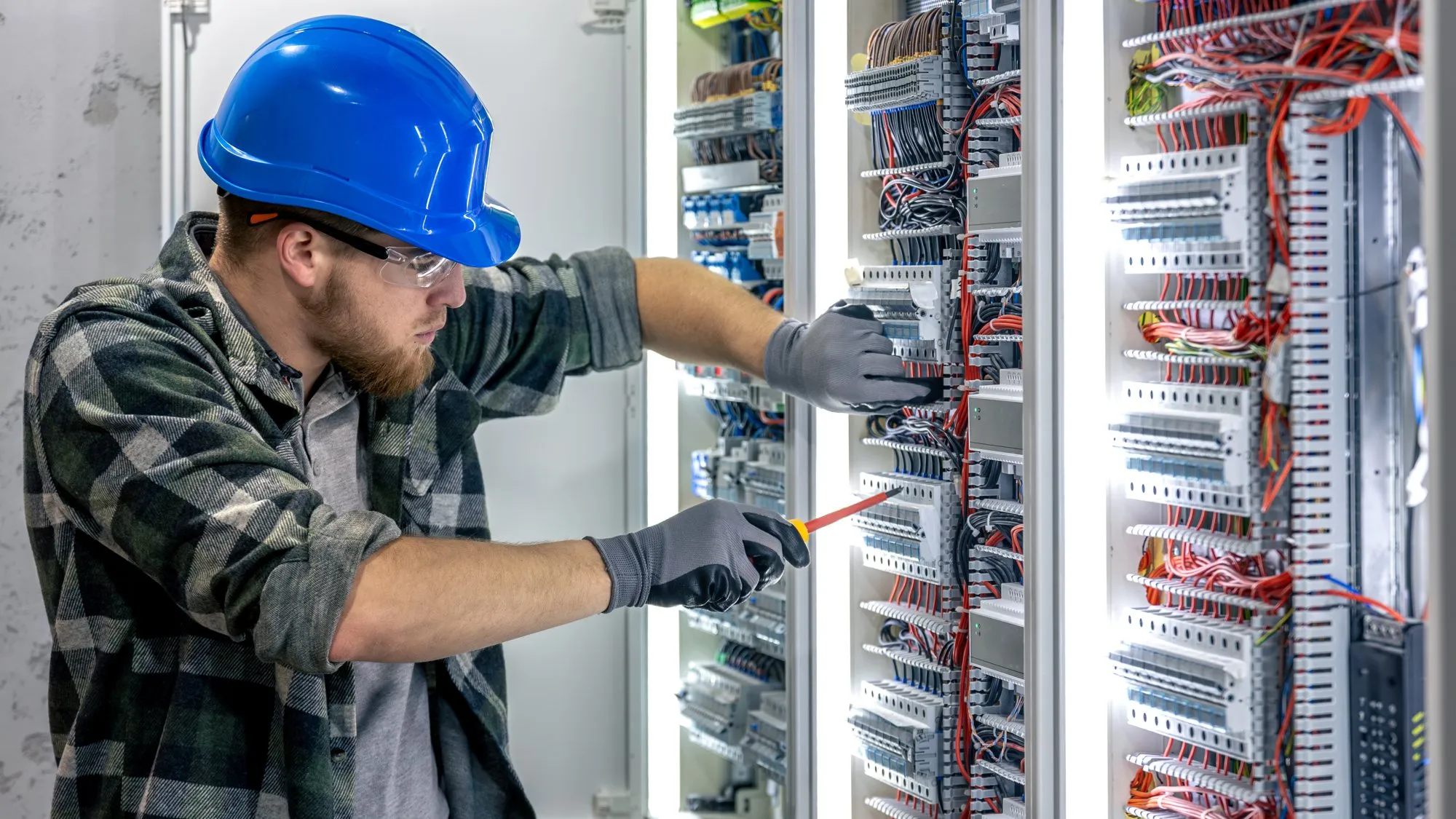
Most electricians learn through a 4- or 5-year apprenticeship, with about 2,000 hours of paid on-the-job training a year plus classroom instruction. Most states require a license. Licensing rules vary by state, so check with your state’s electrical licensing board.
Ironworkers
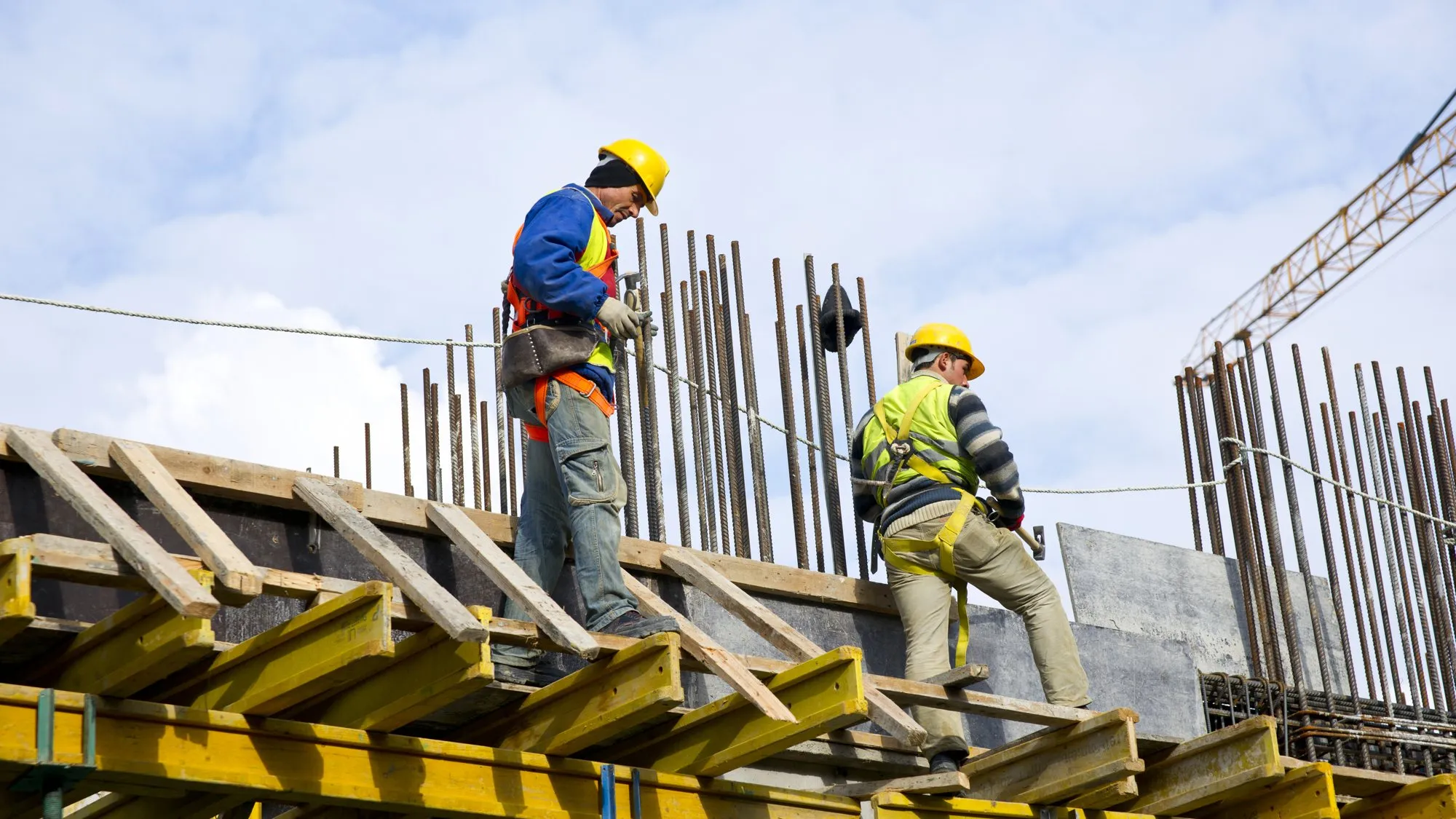
Ironworkers install structural and reinforcing iron and steel in buildings, bridges and roads. Apprenticeships last 3 or 4 years, with at least 144 hours of technical instruction and 2,000 hours of paid on-the-job training each year. Certifications in welding, rigging and crane signaling can make you more attractive to employers. The work is physically demanding and often at great heights.
Sheet metal workers
Most construction sheet metal workers learn through a 4- or 5-year apprenticeship that includes paid on-the-job training and related technical instruction. Some states require licenses.
HVAC mechanics and installers
HVAC (heating, ventilation, air conditioning and refrigeration) is the most school-based route here. The BLS says HVAC programs generally last from 6 months to 2 years and lead to a certificate or an associate degree. Some technicians train through an apprenticeship that usually lasts several years. The U.S. Environmental Protection Agency requires nearly all HVAC technicians to be certified in proper refrigerant handling, and some states and localities require a license. Its projected growth, 11%, is second only to wind turbine technicians on this list.
How apprenticeships work
A registered apprenticeship is a paid job with training built in. According to Apprenticeship.gov, apprentices get paid work experience with a mentor, progressive wage increases, classroom instruction and a portable, nationally recognized credential.
Federal standards (29 CFR 29.5) require a registered program to include a progressively increasing schedule of wages, and they recommend at least 144 hours of related instruction for each year of apprenticeship. Sponsors set their own entry requirements, but the eligible starting age can’t be below 16. Many programs also use applications, aptitude tests or interviews, so check what each one asks.
Because apprentices are paid while they train, an apprenticeship can cost far less than school. You’ll usually earn less than the median in the early years, then more as you gain skills.
How to find training
Apprenticeships
Use the Apprenticeship Job Finder on Apprenticeship.gov to search open apprenticeships by occupation and location. Apprenticeship.gov says you apply directly with the employer or program sponsor. If you want guidance, it recommends visiting a local American Job Center.
Unions, contractor associations and individual employers also sponsor programs, and the BLS notes that apprenticeship requirements vary by state and locality.
Community colleges and technical schools
Community colleges and technical schools are the main route for HVAC and wind turbine work, and they can help with other trades too. The BLS says electricians who attend a technical school usually receive credit toward their apprenticeship. Before you enroll, ask:
- What does the program cost in total, including tools and fees?
- Does it include hands-on practice?
- Does it lead to an exam or certification that employers in your area want?
- Will a local apprenticeship give you credit for it?
If cost is a barrier, contact your local American Job Center to ask about training funds. If you’d rather start in healthcare, see how long it takes to become a CNA.
Before you choose
Median pay isn’t everything. Compare these factors for the trade you’re considering:
- Time to full pay. A 4- or 5-year apprenticeship pays you along the way, but you won’t reach the journey-level wage until you finish.
- Licensing. Many states license electricians, plumbers and elevator installers, and some license other trades. Your state licensing board can tell you the exact steps.
- Physical demands. The work involves lifting, heights, tight spaces or being outdoors. The BLS describes the demands of each trade on its occupation page.
- Local demand. National growth rates hide local differences. Check what employers near you are hiring.
- Overtime and on-call hours. Several of these trades involve emergency calls and overtime, which can raise annual pay but affect your schedule.
Frequently asked questions
What is the highest-paying trade job?
Among the trades listed here, elevator and escalator installers and repairers had the highest median pay at $109,910 in May 2025, according to the BLS. Electrical power-line installers and repairers followed at $95,320.
Which trades pay over $100,000 a year?
At the median, only elevator and escalator installers and repairers cleared $100,000 in May 2025. In other trades, some workers earn more than the median through experience, overtime or specialization, but it varies by employer and location.
Can you learn a trade without going to college?
Yes. Most of the trades above are learned through a paid apprenticeship, which combines on-the-job training with classroom instruction. HVAC and wind turbine work usually start with a certificate or associate degree from a technical school or community college, which is shorter than a bachelor’s degree.
How long does it take to learn a trade?
It depends on the trade. Apprenticeships for the trades in this guide typically last 3 to 5 years, while HVAC programs last 6 months to 2 years followed by on-the-job training.
Do you need a license to work in the trades?
Often, yes, but it varies by trade and state. Most states require licenses for electricians, plumbers and elevator installers, and some require them for boilermakers and sheet metal workers. HVAC technicians need federal refrigerant certification, and some states add a license. Check with your state’s licensing board.
Is there an age limit for starting an apprenticeship?
Federal standards set a minimum starting age of 16 for registered apprenticeships, and sponsors set their own entry requirements. Ask each program what it requires.